Coastal Marine Reserve
Location: Pacific Northwest, USA
Management: Community-led conservation

Coastal Marine Reserve
Location: Pacific Northwest, USA
Thriving Biodiversity
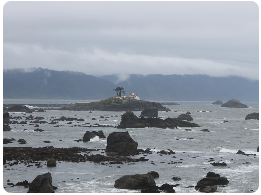
This coastal ecosystem supports over 200 species of marine life, including several endangered species. The reserve encompasses 15,000 hectares of protected waters and serves as a critical breeding ground for migrating marine mammals. Kelp forests provide essential habitat structure, while rocky intertidal zones support diverse invertebrate communities.
About
Established in 2018, the Coastal Marine Reserve represents a collaborative effort between local fishing communities, indigenous groups, and conservation organizations. The site demonstrates how traditional ecological knowledge can be integrated with modern conservation science to create sustainable management practices that benefit both biodiversity and local livelihoods.
Monitoring
Quarterly underwater surveys track fish populations and benthic communities. Water quality monitoring occurs monthly at 12 stations throughout the reserve. Annual community science programs engage local residents in data collection, building capacity and maintaining social support for conservation efforts.
Partners
Highland Forest Corridor
Location: Central Scotland
Management: Public-private partnership

Highland Forest Corridor
Location: Central Scotland
Thriving Biodiversity
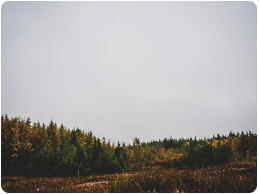
Ancient Caledonian pine forests provide habitat for rare species including Scottish wildcats, capercaillie, and red squirrels. The corridor connects three major forest blocks across 28,000 hectares, enabling wildlife movement and genetic exchange. Peatland restoration areas sequester significant carbon while supporting unique plant communities.
About
The Highland Forest Corridor project began in 2016 with the goal of reconnecting fragmented woodland habitats. By working with private landowners, the project has established wildlife corridors that allow species to move freely between protected areas, increasing genetic diversity and ecosystem resilience.
Monitoring
Camera traps deployed at 45 locations monitor wildlife movement patterns. Annual forest health assessments evaluate tree regeneration and invasive species presence. Peatland monitoring tracks carbon storage and hydrological function through a network of sensors.
Partners
Play Video
Latest news and updates
Follow the latest news and updates